
WWW.ASAONLINE.COM JULY 2016

Where Is My Trophy?
Time to Drain the Pool
The Risk of Not Paying the Right Price for Good Employees
The Cost of Hiring the Wrong People
The Cost of Keeping the Wrong People Too Long
Importance of Connecting with Tomorrow’s Workforce
H-1 Visas: Improving the Quality of Life for Your Employees
Immigration 101: Strategies for Employing Foreign Workers
Legally Speaking: So You’ve Contracted Your Way into a Pickle


The 2.76 Million Challenge—
The Importance of Connecting with Tomorrow’s Workforce
by Laura Cataldo
Here is a challenge to scare even the most astute human resource pro: 2.76 million employees will be needed in the construction industry by 2020 to replace retirements and meet employment growth projections of 2.9 percent.
Generation Z, those born after 1996, are the high school students and young adults that we need to connect with today in order to meet that 2.76 million challenge. In a world that has emphasized “college for all,” how does a technical-based industry like construction compete for the best and the brightest?
Whose Job Is It?
Students, educators and employers are misaligned in the expectations of who has responsibility to prepare our future workforce. Students want the skills necessary to get their first job; educators want to teach students for long-term success; and employers want both. Students want a good job, so 70 percent went to college and the results were:
• 13 percent ended up unemployed.
• 40 percent did not get a job in their major.
• 42 percent said their job does not require a four-year degree.
• $29,400 is the average student loan debt.
Our industry does need collegedegreed individuals, but a large percentage of our careers require advanced training through apprenticeship, technical college and certification programs. Harvard University predicts that 57 percent
of the jobs in the future will require skilled training or certification, not a college degree.
Here is the good news—change in the educational world is coming and career preparation is now taking center state. Studies like
the Pathways for Prosperity by the Harvard Graduate School for Education questioned whether the only successful outcome of a high school education was enrollment in a four-year college or university. The study emphasized the need for more post-secondary education or training to equip young people with the skills and credentials to make successful transitions into the labor market.
The bad news is that other industries (automotive, manufacturing, etc.) are competing
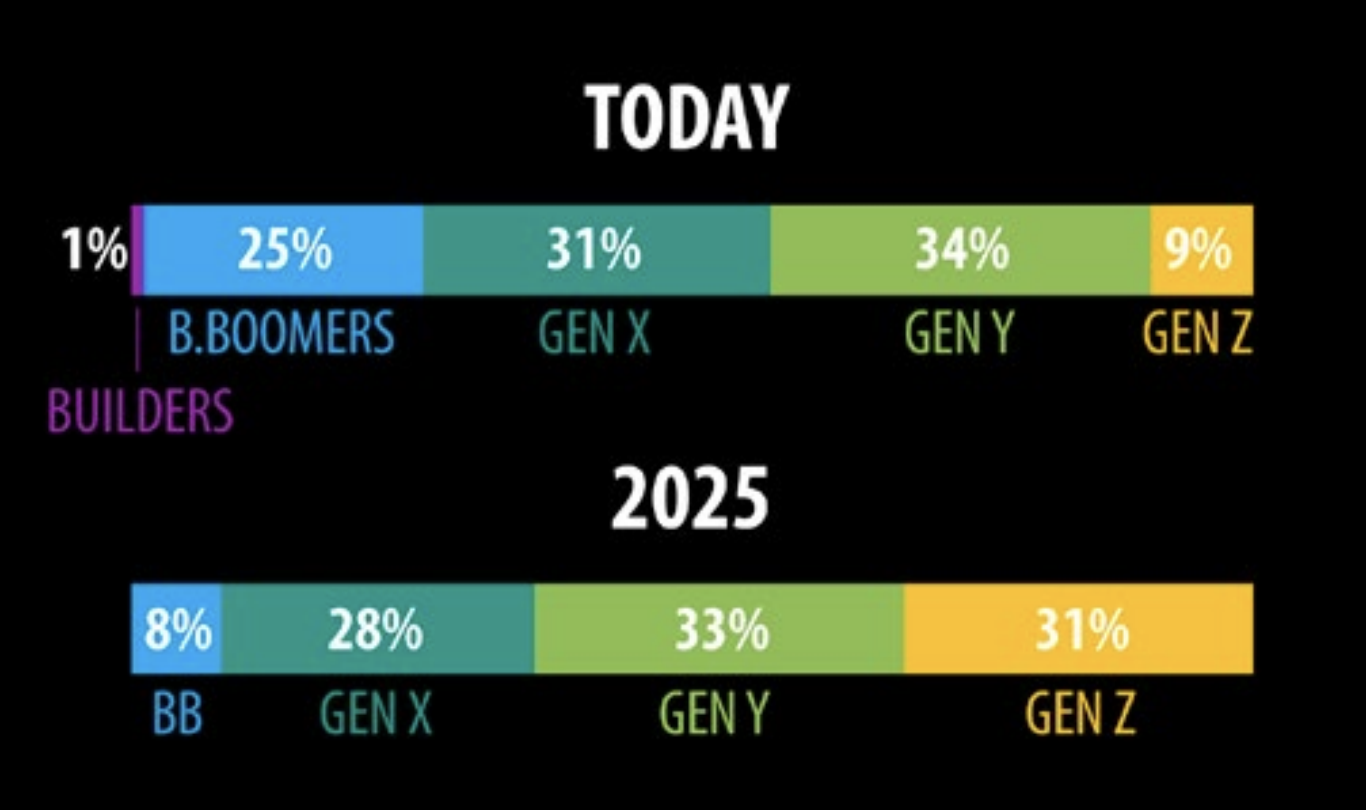
for this same audience of students interested in technical skills. Here are a few suggestions to help your company stand out from the crowd and capture the attention of young people that will make up one-third of your workforce in the next 10 years:
1. Engage and Support Educators—As school districts are changing philosophies and shifting the focus of “career preparation,” many educators feel challenged by a lack of knowledge about our industry. Educators do not know what to ask our industry for and contractors do not know what educators need. Take the first step by offering your time and talent and donating surplus materials. Reach out to your local school and offer to engage students by providing jobsite tours, math
JULY 2016 THE CONTRACTOR’S COMPASS
exercises focused on construction application (bid day simulation, crane loads, etc.) and classroom visits. By stepping forward to serve as a resource to educators, you are helping them educate students about construction careers.
2. Provide Real Life Experience for Students—Student employment numbers hit a record low in 2010 because of the economic downturn. The numbers are slowly getting better, but young people struggle to find paid work experience—a critical piece in teaching employability skills and exciting students about our industry. While there are many aspects of construction work that cannot be done by those under the age of 18, there are many ways that students can “assist” within the guidelines of child labor law. Some states have a formal youth apprenticeship program that allows students to begin preparation for apprenticeship in high school. State and federal workforce programs have dedicated funding to youth outreach that may be available to help fund student wages. It is important to remember that hiring a young person through an internship or summer employment is a long-term investment in building your workforce. They will not be as productive as your experienced employees.
3. Emphasize the Aspects of Our Industry That Excite Them— Generation Z is characterized as technology-focused, creators and collaborators, future focused and wanting to work for success. These traits are all a great fit for the construction industry and we need to demonstrate to them why.
Technology
The construction industry is changing at an incredible rate due to the use of technology. BIM, Total Station, Blue Beam and
Modularization are changing the way contractors design, build, and manage projects. Many trades now rely on computer-based technology, GPS, and joy sticks to operate equipment. This is not what young people envision when they think about construction.
Creating and Collaborating
Construction requires collaboration with many different entities in order to design and build a project to meet user needs. The relationships you have with architects, engineers, subcontractors, users and owners require that you collaborate on a daily basis. We are not just plumbing contractors that put pipes and drains in a building. We are part of a larger team that is creating an environment with other professionals to meet user needs, protect natural resources, and employ the most efficient technologies. While it seems like a normal part of project coordination, it is the type of collaboration that young people seek in their future career.
Future Focused
Today’s young people want to make a difference in the world and construction offers many opportunities to do that. We build the hospitals where babies are born and illnesses are cured, the schools that prepare our next generation, and the infrastructure that provides clean water, transportation and safe communities. Spend a day sharing with young people the projects you have worked, the lives you touch, and they will quickly relate to the opportunity to make an impact on the world through construction.
Work for Success
Recent generations have been dubbed ‘slackers’ but Generation Z is characterized as hard-working and driven. They have witnessed their families and friends struggling through the recession and have realistic expectations of what
employers should offer them. In the construction industry, an individual can start in any position and, through hard work, rise to become a president or owner of a company. Engage students with employees that continue to advance in the company through hard work—the carpenter that is now vice president of field operations or the CAD detailer that now leads the virtual design department. The entrepreneurial spirit of the construction industry is attractive and promises the opportunities for success that hard work demands.
Meeting the employment demands of our industry is not going to be easy and it will not happen overnight. We offer the use of technology, collaboration and opportunity to impact that young people are looking for in a career. As an industry, we need to do a better job of “telling our story” to engage our future workforce. Pick up the phone today and reach out to an area school offering help for the upcoming semester, post a position for a student intern, or use social media to tell your story. What are you waiting for? 2.76 million new hires in the next 10 years are waiting to hear from you.
Laura Cataldo, associate director at Maxim Consulting Group, works with construction organizations of all sizes to evaluate business practices and assist with management challenges. Having worked in the construction industry for over 20 years, Cataldo offers a depth of experience working with contractors, associations and workforce partners to improve profitability and succeed in the changing marketplace. She understands the challenges of today’s construction marketplace and is keenly in touch with future trends. Cataldo can be reached at (608) 616-2835 or laura.cataldo@ maximconsulting.com.
THE CONTRACTOR’S COMPASS JULY 2016
© 2026 Maxim Consulting Group. All Rights Reserved.
