

Michael McLin
Managing Director

Many business owners know they need to make formal plans for a successor, but planning can easily take the backseat to the urgency of managing daily operations, people, equipment, credit, cash flow, business development, and the next big project. When it comes to the construction industry, where so many businesses are either family owned or closely held by a small group, planning can be a major challenge. With such businesses, the idea of “keeping it in the family” is often front and center, and the great unknown of what may happen when the business’ founder is no longer able or willing to be in charge can lead to much concern and uncertainty. One part of the challenge in management succession is preparing a new generation of leaders, comprised of both Xers and Millennials, to step into expanded leadership roles.
How prepared are companies to deal with the management transition that will invariably occur over the next decade? According to a study by Deloitte, only 10% of companies assess themselves as having a management succession plan that is effective in preparing for the departure of seasoned executive leadership and the transitioning of younger leaders into senior executive roles. Though 86% of companies report that leadership development is one of their main concerns, it appears that awareness of the critical need has not translated into effective action.
What exactly is management succession? It is defined as the plan or process by which new internal leaders are identified and developed to replace existing leaders who will be transitioning out of their current responsibilities because of retirement, disability, termination, or death. Management succession is a critical factor in the future viability of every business in America today and without it, businesses are ignoring the inevitable risk that threatens the future success of their company. The construction industry has been experiencing a talent crisis since the recovery from the 2008 downturn. Management succession is an opportunity for construction companies to gain a
competitive advantage that will benefit them for years and even decades to come. Let’s discuss what the benefits of internal management succession are as well as delve into what best practices are and how to create a process for a succession plan. First, the benefits of internal management succession are numerous. Below we touch on just a few. 1. Increasing the odds for success at key positions Whether a company promotes an internal candidate to fill a prominent position or hires externally, there is risk involved. Research shows that internal promotions have a far higher likelihood of success than external hires. 2. Reducing the cost associated with external recruiting and hiring Promoting internal candidates is far more cost efficient and eliminates many costs associated with recruiting such as payment to recruiting firms, human resource staffing costs and advertising for the new position.
3. Retention of high potential leaders The cost of losing a high potential leader can be pricey to an organization. Loss of productivity, reduction of the talent pool for future senior management positions to name a few. Interestingly, companies that aggressively pursue employee development for the purposes of management succession are far more likely to retain their potential leaders. 4. Quicker transfer of institutional knowledge
Developmental opportunities can be embedded in the context of real life business issues, with coaching and mentoring from existing leadership, allowing for a more orderly transfer of institutional knowledge that might otherwise be lost in a hasty search for an external replacement of a key executive. 5.
Talent development increases productivity Talent development yields both near term and longterm results. Investing in the development of high potential leaders increases their immediate productivity as well as prepares them for expanded roles in the future. Best Practices for developing a management Continued on next page
Management Succession is critically important to all organizations, especially during this time when workforce shortages are of utmost concern. Contractors that develop and execute a Management Succession plan are preparing their organization for future leadership transitions and creating a competitive advantage in the marketplace.
WINTER 2017 | ASSOCIATED BUILDERS AND CONTRACTORS ROCKY MOUNTAIN CHAPTER | WWW.ABCRMC.ORG MERIT BUILDER | THE VOICE OF MERIT SHOP CONSTRUCTION
succession program can help increase the effectiveness of the plan and prevent a haphazard implementation that could compromise future success. The following guiding principles of management succession will help organizations achieve better results.
1) Ownership by the CEO and key executive leadership: When Senior Leadership gives the attention and commitment needed to create a robust program that delivers results, this ensures the viability of the organization. Human Resources should not be the primary driver of the program.
2) Understand the impact the succession will have on company culture: This is by far one of the most important parts of management succession. When the culture of an organization is not supportive of the direction dictated by a strategic plan, culture often prevails and stymies the plan.
3) Following a process rather than intuition in selecting candidates: The ability is quite low to have current management select future management. However, succession should not be based on gut level intuition but on the criteria, that they understand the competencies needed to succeed in a role and being sure to have developmental support to prepare the selected candidate to succeed.
Lastly, the path to creating successful management succession can be created with critical path scheduling that is a technique that would identify critical elements of the project as well as the dependencies between different elements. This process is comprised of steps that can be easily remembered with the acronym SMART.
• Specify the vital success factors for the organization
• Model of the competencies needed to succeed in key roles
• Assess talent for high potential leaders
• Relevant and results driven development of the high potentials
• Track the progress and development of the high potentials
This process for management succession provides a step by step plan that organizations can follow to achieve a successful management succession program.
Management Succession is critically important to all organizations, especially during this time when workforce shortages are of utmost concern. Contractors that develop and execute a Management Succession plan are preparing their organization for future leadership transitions and creating a competitive advantage in the marketplace.
Aligning the process around the company’s strategic goals, focuses Management Succession on the key drivers for success for the organization and clear definition of the critical skills and attributes for each position. Developing a formal process for leadership development is critical for the retention of highperforming Gen-X and Millennials that seek ongoing career development. Management Succession is an ongoing process that contractors should embrace to remain competitive as markets and employee needs change. Investing the time to develop a SMART plan today will reap its rewards through greater understanding of business needs, preparing for leadership transitions, and recruiting and retaining talented employees.
Maxim Consulting Group welcomes the opportunity to assist you with Management Succession. To learn more about the impact we can make in your company, please contact Michael McLin via e-mail at Michael. mclin@maximconsulting.com or call 303-688-0503. Wikipedia defines the CCO as the executive responsible in customer-centric companies for the total relationship with an organization’s customers. The role of a CCO itself, though still fairly uncommon, is not a new one; it has been around for over 20 years. But the construction industry seems to be lagging in making the customercentric changes that many other industries have been focused on for years.

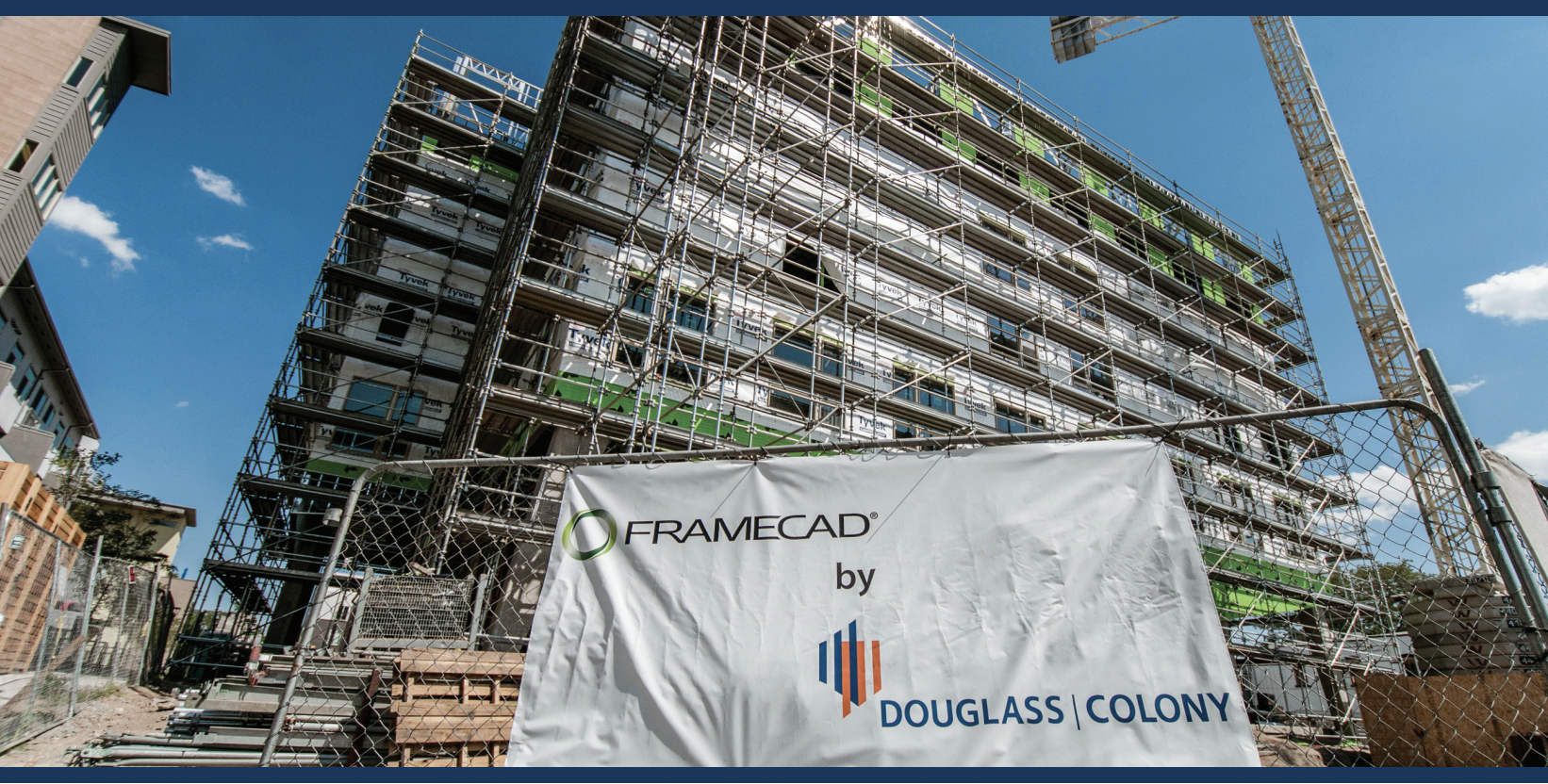
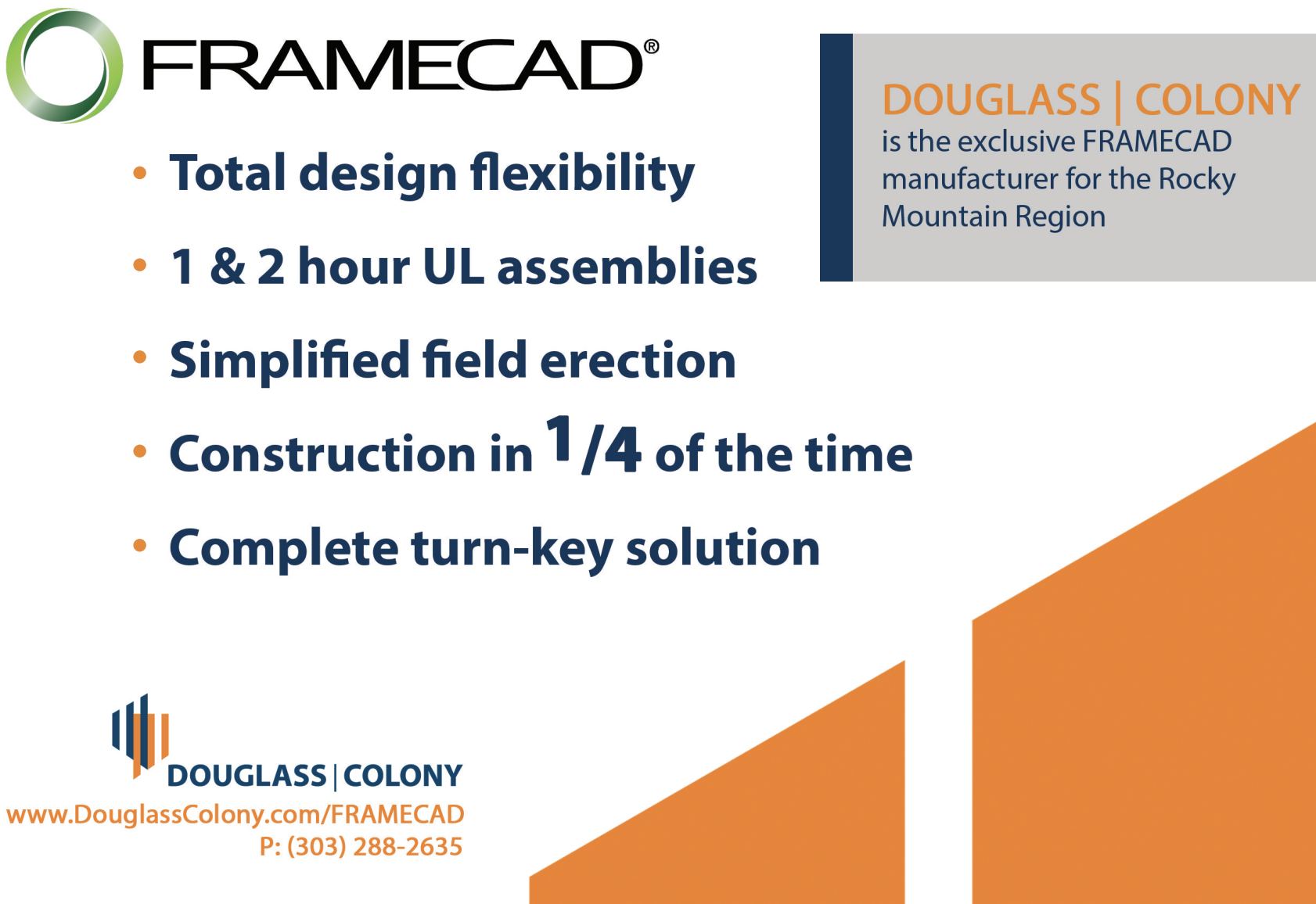
PENELIZED METAL STUD FRAMING
WINTER 2017 | ASSOCIATED BUILDERS AND CONTRACTORS ROCKY MOUNTAIN CHAPTER | WWW.ABCRMC.ORG MERIT BUILDER | THE VOICE OF MERIT SHOP CONSTRUCTION

WINTER 2017 | ASSOCIATED BUILDERS AND CONTRACTORS ROCKY MOUNTAIN CHAPTER | WWW.ABCRMC.ORG MERIT BUILDER | THE VOICE OF MERIT SHOP CONSTRUCTION
© 2026 Maxim Consulting Group. All Rights Reserved.
