
Michael McLin
Managing Director
Standardized work is defined as the efficient and orderly method of producing work without waste and centered around people. The purpose is to promote efficiency and consistency yielding high quality finished installations. The purpose is also to enable crews to safely build high quality projects at the lowest possible cost.
The history of standardized work is based on proven U.S. Military methods. They were later incorporated by Taichi Ohno during the 1950’s at Toyota. One of the central principles of standardized work is part standardization which is also the foundation of the Toyota Production System. Without Standards, it is impossible to improve a business.
Applying this to a construction site and unpacking it a bit, the benefits are tremendous. First, let’s presume the company has adopted a culture of standardized work. That means all employees perform the same task in the same way. Implementing Standardized Work requires a company to have a paradigm shift away from “I don’t care how you get the job done, just get it done” and move toward an attitude of “Everyone does the job the same way each time”. This is very different than how most contractors operate. If ten people perform a task, it gets done ten different ways. What impact does that have on safety? Productivity? Quality? Second, by defining standard ways in which the work is performed, in the office, the fabrication shop AND in the field, companies can identify the root causes of accidents. Figure 1 is an example of a Standardized Work Instruction Sheet.
A further adaptation of the Standard work instruction sheet is a single point lesson. Ever sat in front of the copier trying to make a double sided, collated, stapled copy? What about starting a meeting that requires a conference call or video conferencing and everyone sits around for 20-minutes while IT arrives to fix the problem. Figure 2 is an example of a single point lesson.
The same idea can be applied to tooling as shown in Figure 3.
The single point lesson can even be used to capture field installation standards as shown in Figure 4.
Standardized work deployed throughout an organization, documented through single point lessons and trained to have a tremendous impact on safety. The proper tooling can be available where needed, the proper information, the proper material, etc. By having standards and everyone doing it the same way, safety issues are engineering out of the installation process resulting in fewer accidents, more efficient jobs and higher quality end installations.
Standardized work does not mean one way. It means one way for each specific instance. An example would be one installation standard including tools and materials
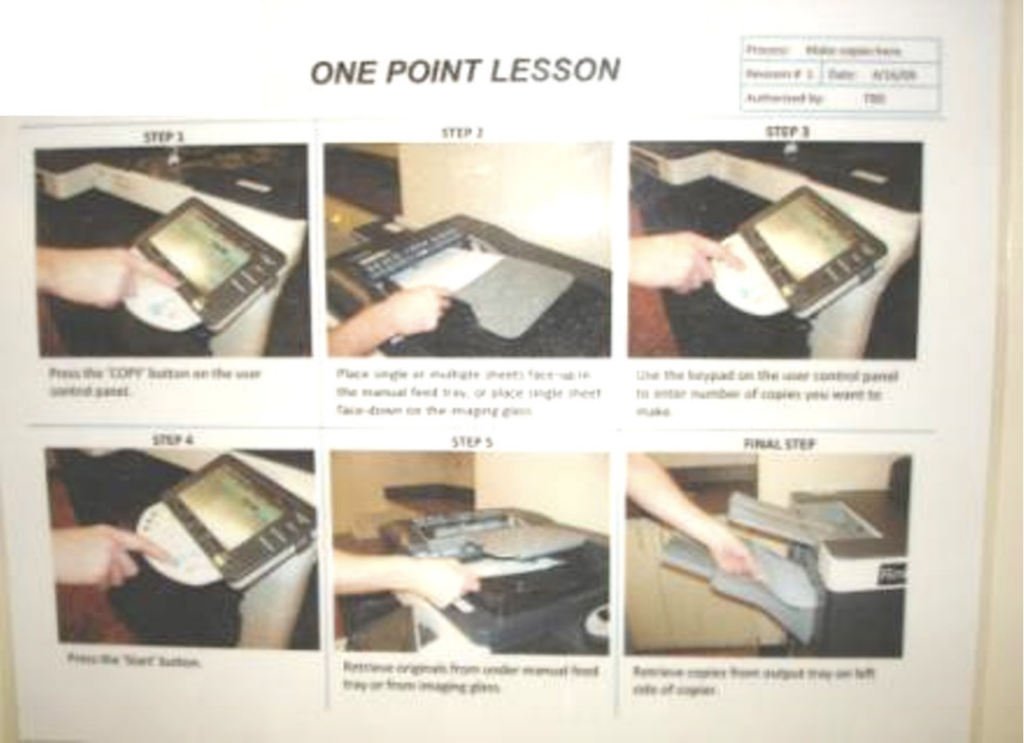
Figure 2 – Sample Single point lesson for Copier
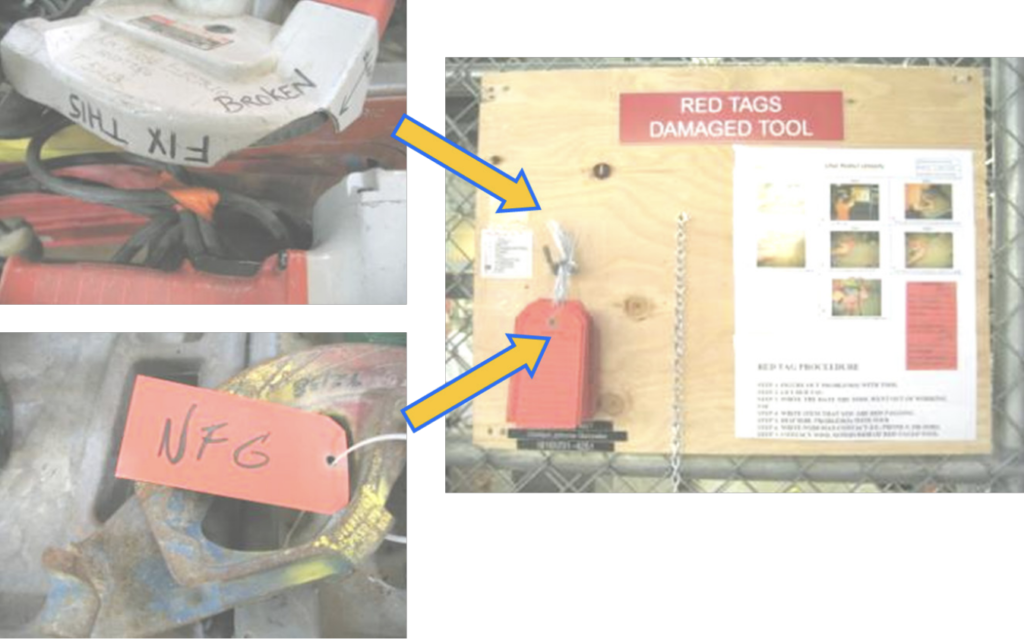
Figure 2 – Sample Single point lesson for Copier
FALL 2018 | ASSOCIATED BUILDERS AND CONTRACTORS ROCKY MOUNTAIN CHAPTER | WWW.ABCRMC.ORG
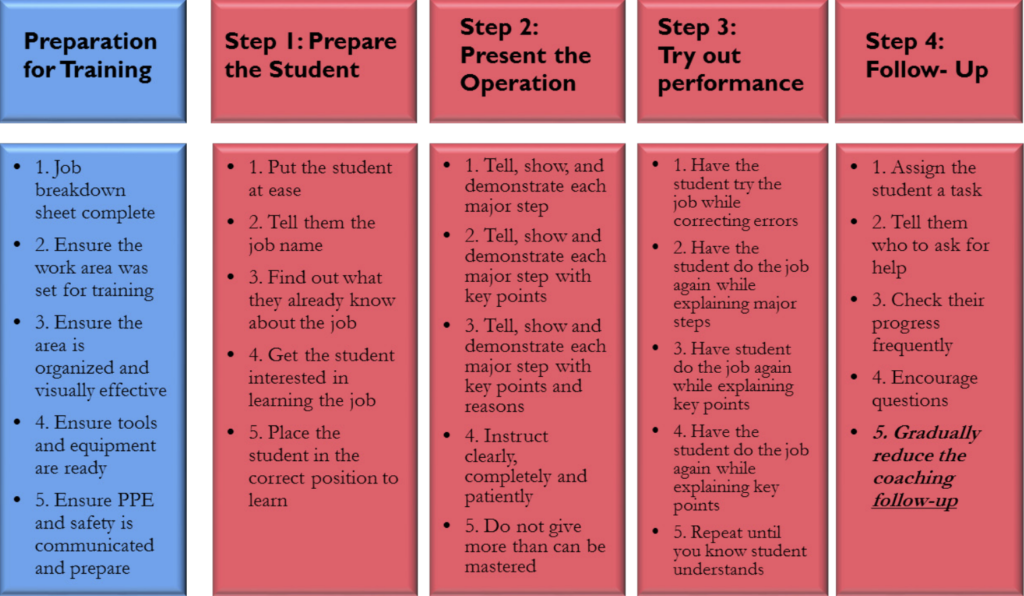
Figure 2 – Sample Single point lesson for Copier
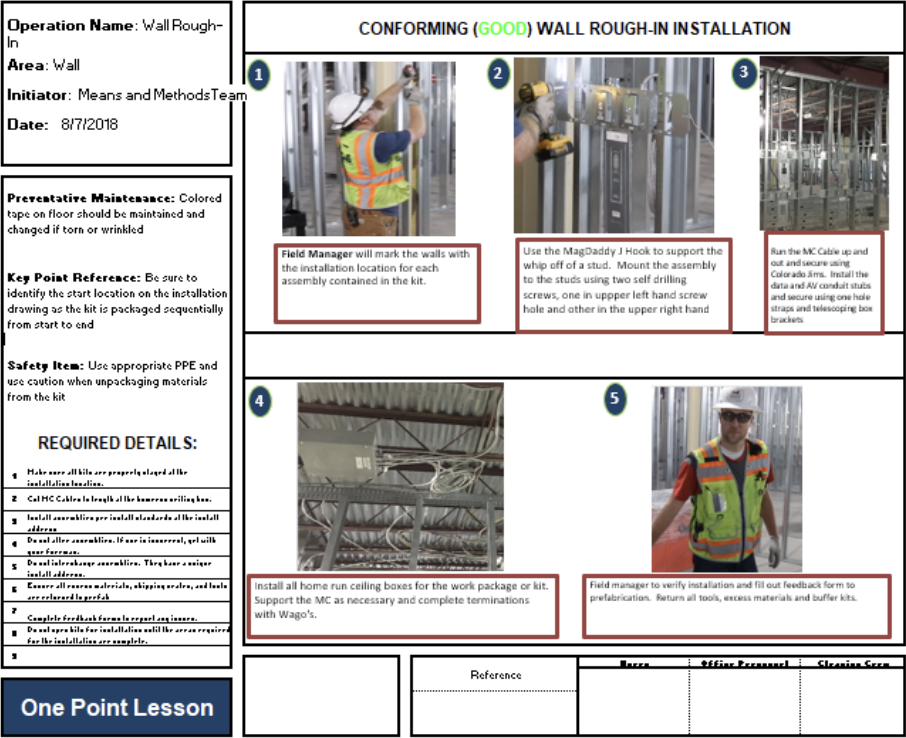
Figure 4 – Sample Field Installation Standard
for electrical wall rough in with a framed wall and another standard for a masonry application. By defining the installation standards, companies can now determine how they will manufacture and kit their projects. They can also establish detailing standards that accelerate the development of coordination drawings. And let’s not overlook the ability to buy materials at the company level versus the job level. All of which is done faster, cheaper, safer and at a higher quality.
Variability in construction projects makes defining standardized work more difficult but it can certainly be done. By defining standardized work and training to the standards, companies can more quickly develop their workforce. Companies that have pursued this strategy have also experienced significant decreases in MOD ratings and accidents. Simple fact is, if the installer has everything they need at the place they need to install it and they know how to do it, everyone wins.
Michael McLin is the Managing Director at Maxim Consulting Group responsible for leading the business and guiding the strategic direction. Michael works with construction related firms of all sizes to evaluate business practices and assist with management challenges. Michael is a nationally recognized, dynamic public speaker and published author. If you have additional questions, you can contact Michael at Michael.mclin@maximconsulting.com or www.maximconsulting.com
MERIT BUILDER | THE VOICE OF MERIT SHOP CONSTRUCTION
© 2026 Maxim Consulting Group. All Rights Reserved.
